
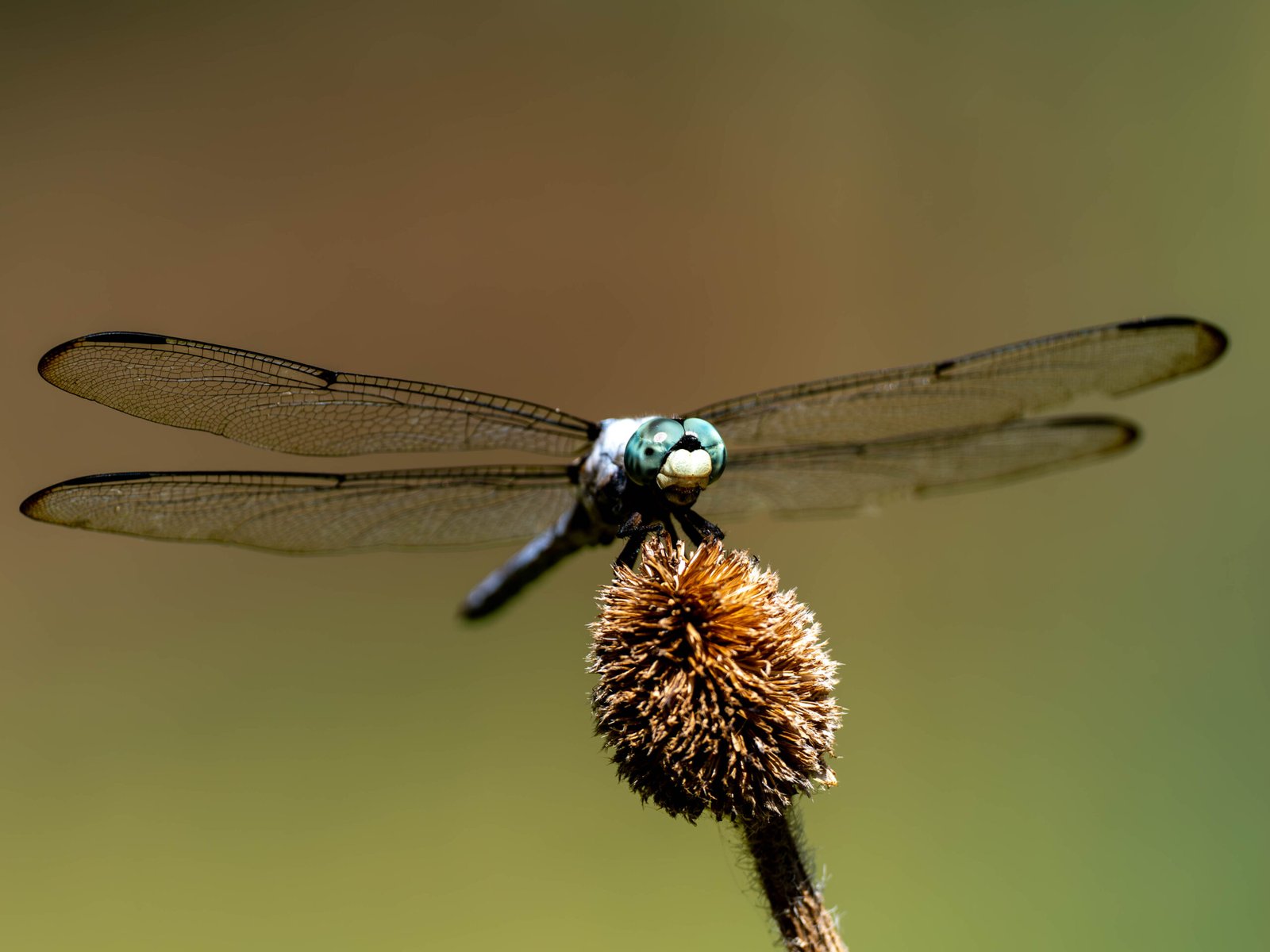
We all know the sound: you’re walking along outside and a faint buzz drifts past your ear. You’ve been issued a warning. You’re being hunted. When winter draws to a close, we won’t be the only ones looking forward to warmer weather.
Mosquitoes begin to wake from their slumber when temperatures hold steady above 50°F. Once they’ve awakened, they breed rapidly and continuously until winter returns. Lucky for us, we have allies on our side. Van Helsing had his wooden stake… we’ve got dragons.
Matthew Withrow – 5/28/2024
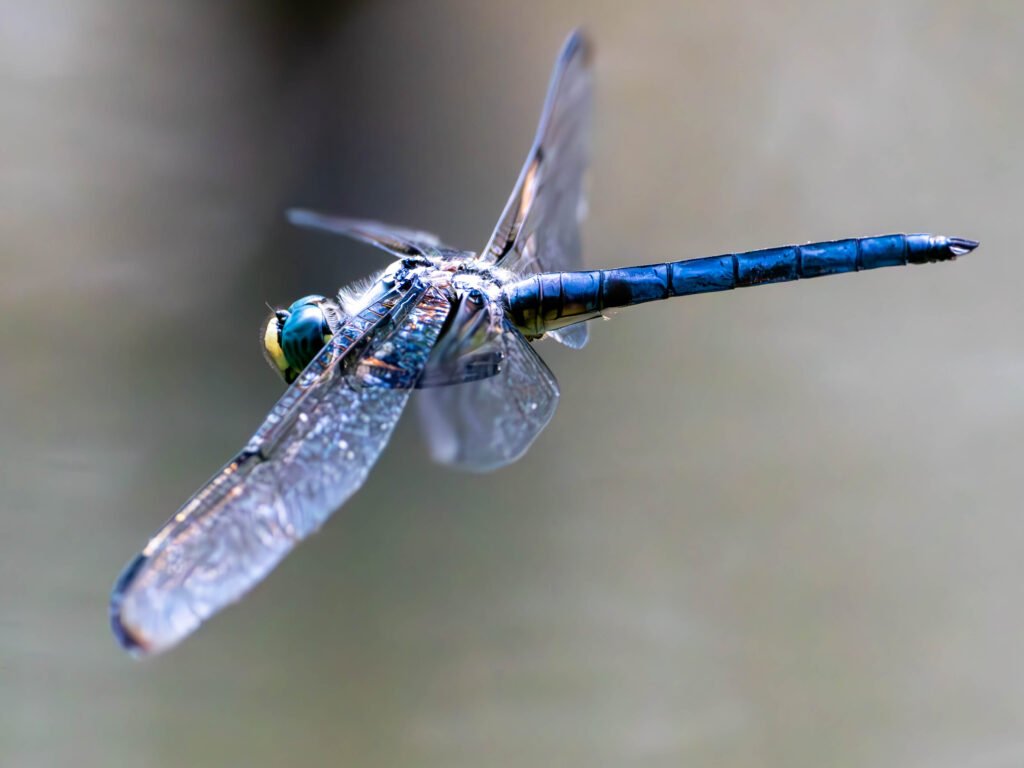
My first dragonfly of the season is always noted with a smile, and my reasons for that are many. For starters, they’re incredibly cool—and even Hollywood agrees with me there. One need not be a naturalist, professional or otherwise, to see the resemblance between the humble dragonfly and Dune’s ornithopters. And let’s be real… those things were cool.

Dragonflies have a lot going for them beyond a more-than-passing resemblance to futuristic Hollywood transportation. So much so that we should not only appreciate them in all their stunning glory, but actively encourage them—like our lives (okay… our comfort) depend on it.
Matthew Withrow – 5/28/2024
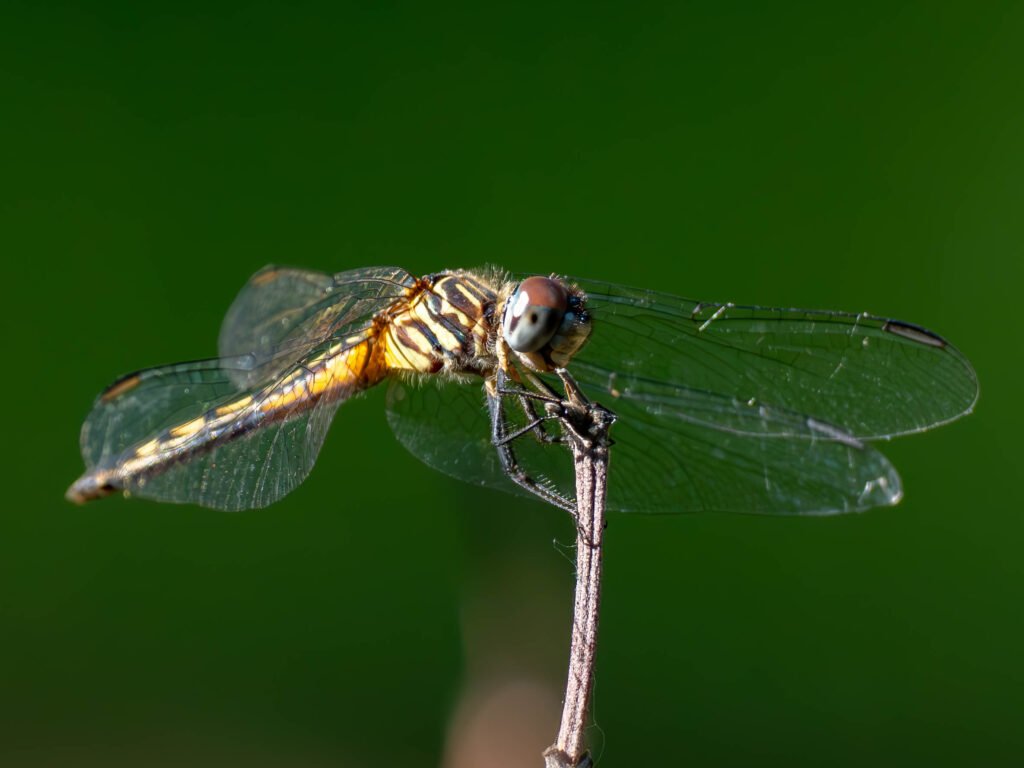
Equiped with two compound eyes, each with up to 30,000 individual lenses, and supplemented by three additional “simple” eyes to help with orientation, dragonflies command a nearly 360° view of their surroundings. Darting from their perch at up to 35 mph, they hunt with staggering efficiency, successfully capturing their target in as many as 95% of attempts.
Matthew Withrow – 8/27/2024
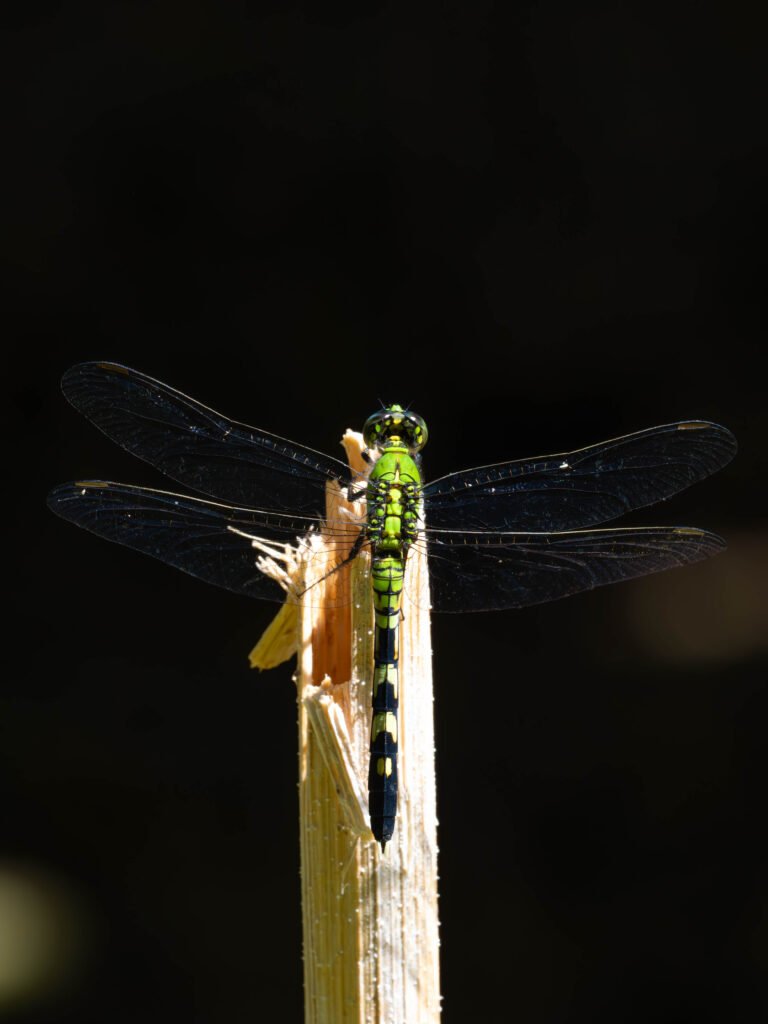
A 95% success rate for a predator that actively pursues its prey is nearly unprecedented in the animal kingdom. For some perspective, owls—wise as they may be (they’re not)—run a much sloppier operation, hovering around a 25% success rate. With their speed and efficiency, dragonflies can consume upwards of 100 mosquitoes per day, providing essential pest control in an environment where the majority of successful mosquito breeding sites are man-made.
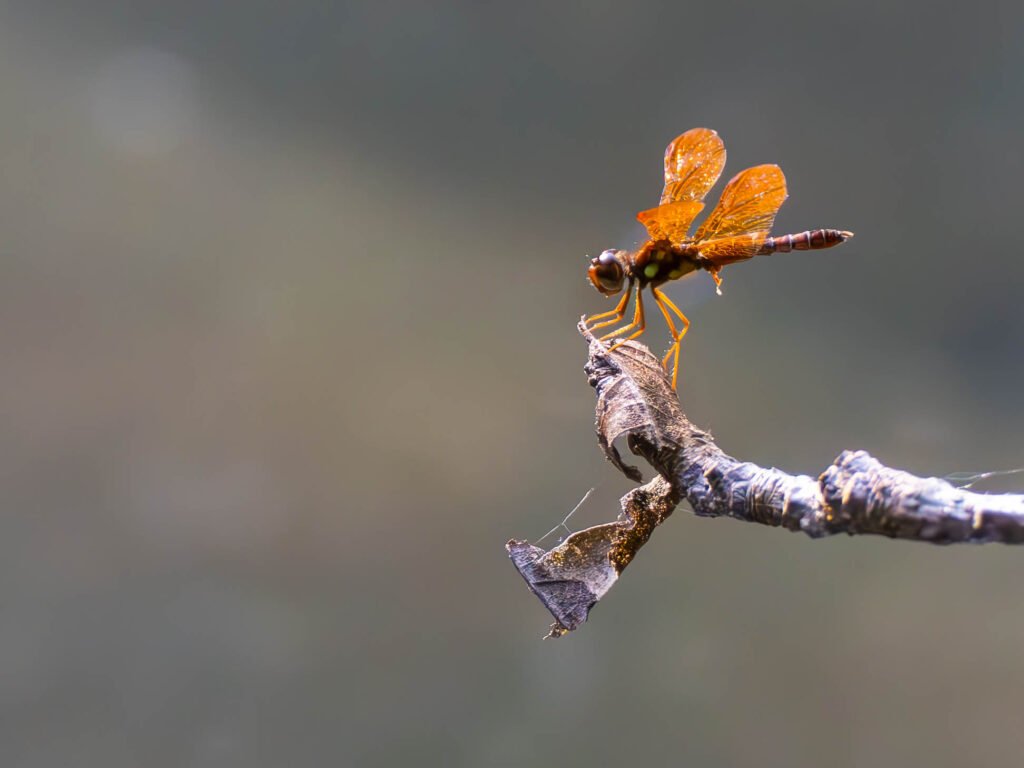
So, we’ve established that we want these guys around, if for no other reason than to help keep mosquito populations in check. But how do we get them to come? It’s not like we can call up Dragonflies ‘R Us and have a truckload delivered.
The answer—unfortunately—is that we have to play the long game: encourage the development of appropriate habitat and wait for them to find it (and they will).

The biggest hurdle in attracting dragonflies is their need for aquatic habitat. Thankfully, Raintree has no shortage of water features, so we’re already off to a strong start. That said, this doesn’t mean the work is done.
Different species of dragonfly have different preferences when it comes to egg-laying, but all require access to water for their nymphs after hatching. Planting native wetland plant species such as Swamp Milkweed, American Water Lily, and Pickerel Weed provides egg-laying sites, hunting perches, and food sources for myriad other species.
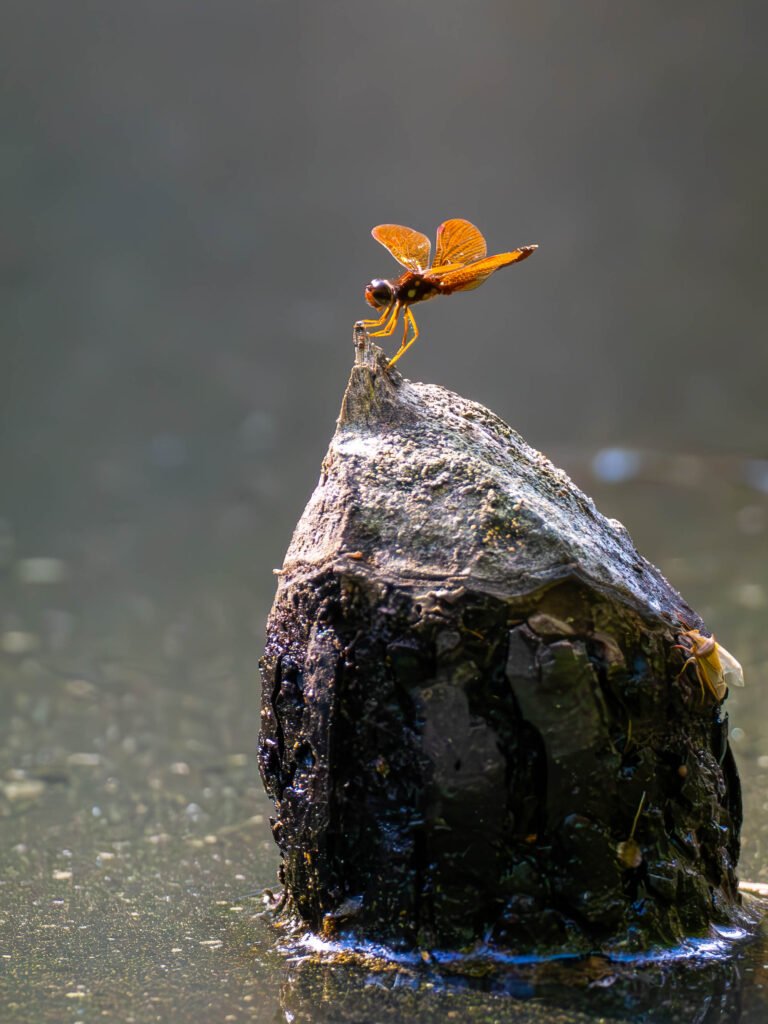
Dragonflies are more than beautiful visitors—they’re a sign that the landscape is doing what it’s supposed to do. Where they thrive, water is cleaner, native plants are present, and ecosystems are better balanced.
By protecting ponds, planting native wetland species, and thinking a little differently about how “wild” our shared spaces can be, we create room for these remarkable hunters to return year after year. The reward isn’t just fewer mosquitoes—it’s a healthier, more resilient neighborhood.
We don’t need wooden stakes or silver bullets to deal with our neighborhood blood suckers. We need habitat. And if we build it, the dragons will come.